What Is Teledermatology?
Teledermatology is a branch of telemedicine that lets dermatologists evaluate, manage, and follow up on skin conditions remotely — using digital tools rather than requiring every patient to walk through the clinic door. In practice, that means clinical information like medical history, structured questionnaires, and high-quality photos can be securely shared and reviewed online.
For dermatology clinics, this isn't a passing trend. It's a structural shift in how skin care gets delivered, documented, and scaled. And it's been gaining ground fast — not because it's novel, but because it works.
This article breaks down what teledermatology actually looks like in practice, how it fits into clinical workflows, and why more dermatologists are making it part of their daily routine.
Teledermatology in Plain Language
At its core, teledermatology is the delivery of dermatological services through digital communication — enabling remote assessment, consultation, and follow-up between patients and licensed dermatology professionals.
What does that look like day to day? A dermatologist can:
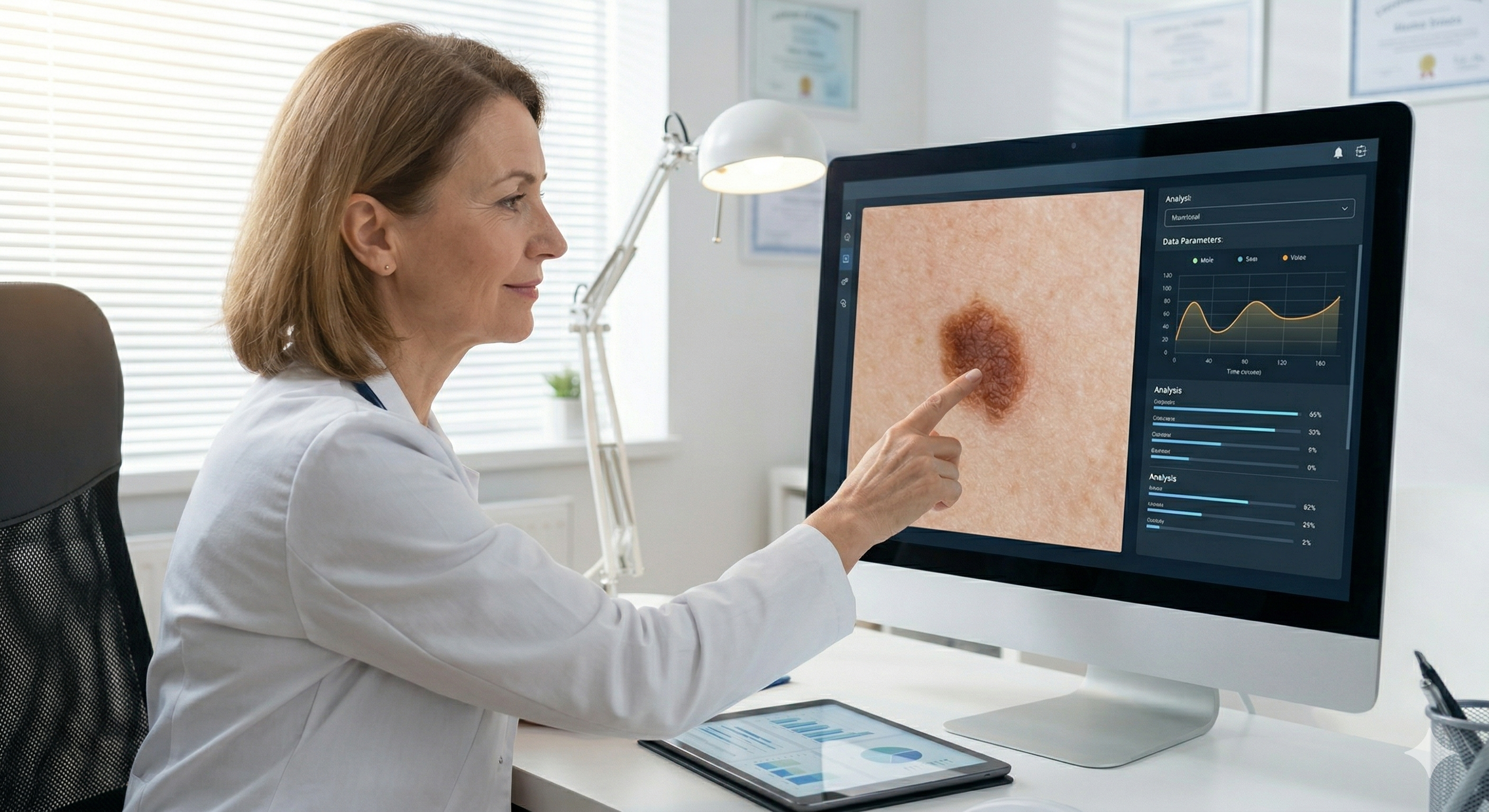
- Review patient-submitted images and medical details without being in the same room
- Communicate securely with patients online
- Document consultations digitally
- Decide whether a condition can be handled remotely or needs an in-person visit
You'll sometimes see the same concept called online dermatology, remote dermatology, digital dermatology, or virtual dermatology consultations. The label changes; the idea doesn't. It's about using secure digital tools to extend care beyond the walls of the clinic.
How Does It Actually Work?
Most teledermatology services follow a fairly standardised workflow, supported by dedicated medical software rather than improvised tools like email or WhatsApp.
Step 1: Patient Intake
The patient starts an online consultation by completing a structured medical questionnaire, uploading photos of their skin concern, and providing context — symptoms, how long the issue has been present, any prior treatments. Everything flows through a secure digital interface, not a chain of text messages.
Step 2: Dermatologist Review
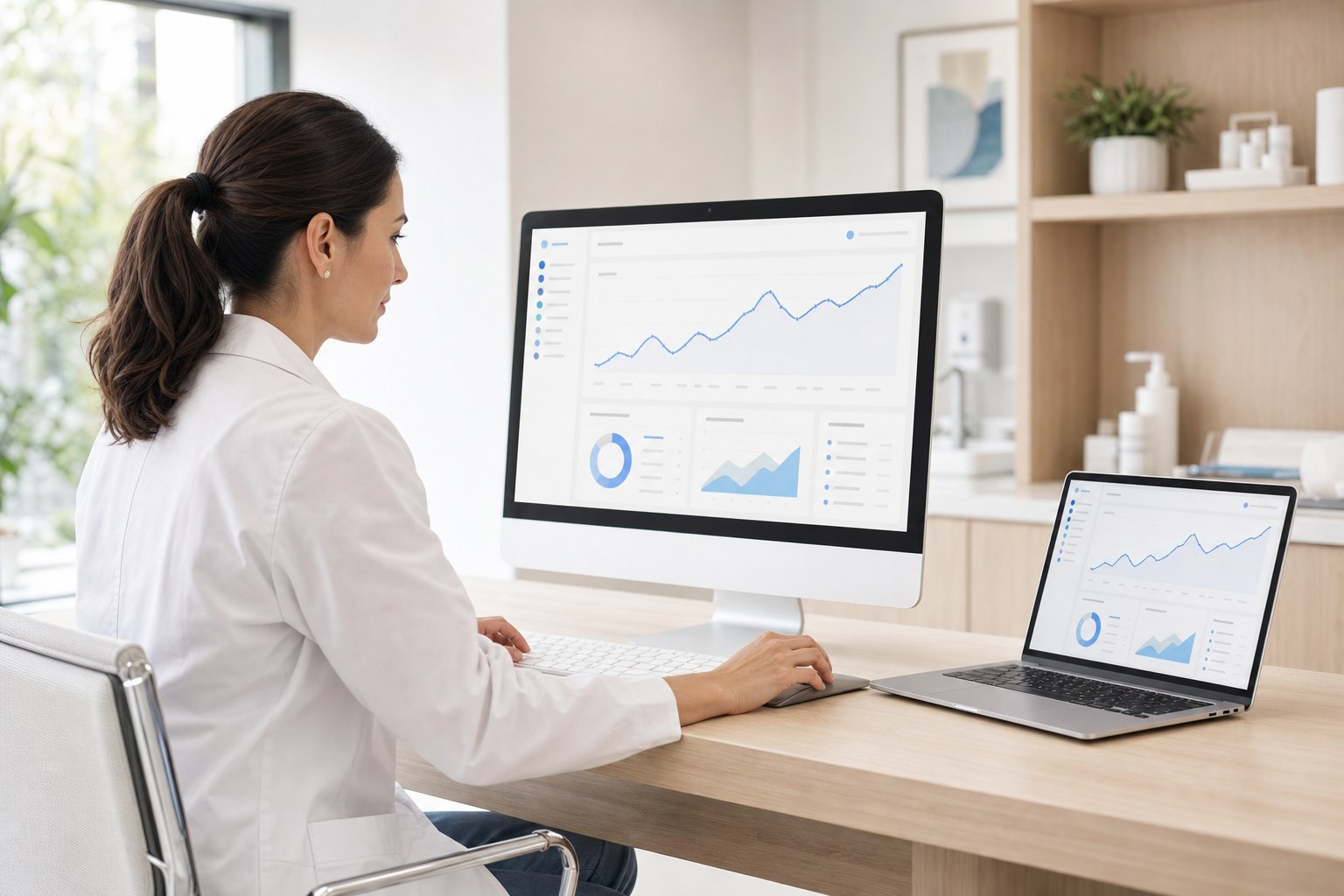
The dermatologist picks up the case through a professional dashboard. From there, they review the submitted history and images, request additional information if something's unclear, and assess whether the case can be managed remotely.
Because this is asynchronous — no one needs to be online at the same time — dermatologists can work through cases flexibly, without scheduling a live session for every consultation.
Step 3: Clinical Assessment
Based on what the patient has provided, the dermatologist documents clinical findings, records diagnostic impressions, and decides the next step: remote follow-up, ongoing monitoring, or a referral for in-person care.
Worth emphasising: teledermatology doesn't remove clinical judgment from the equation. It gives clinicians a structured digital framework to exercise that judgment.
Step 4: Communication and Follow-Up
The patient receives professional feedback through a secure channel within the platform. If follow-up questions come up, or additional photos are needed for monitoring, those exchanges happen digitally too — as long as it's clinically appropriate.
The Three Models of Teledermatology
Not every remote consultation looks the same. How teledermatology is delivered depends on the clinical need and the platform being used.
Store-and-forward is by far the most common model. The patient uploads data and images; the dermatologist reviews them later, on their own time. No video call, no scheduling conflict. It's efficient, scalable, and a natural fit for the majority of skin conditions.
Live interactive consultations involve real-time video between patient and dermatologist. These are useful when a case needs more nuanced discussion or patient counselling, but they require scheduling and reliable connectivity — so they don't scale as easily.
Hybrid models combine both. A clinic might use asynchronous review as the default, then offer live video when the situation calls for it. Most modern platforms are built to handle this kind of flexibility.
Why Dermatology Is Such a Good Fit for Remote Care
There's a reason teledermatology has gained traction faster than telemedicine in many other specialties. Dermatology is inherently visual. A well-taken photo of a skin lesion can carry a remarkable amount of clinical information — often enough to form a working assessment without touching the patient.
Many common dermatologic conditions don't require physical examination or procedures. Follow-ups are frequently visual rather than tactile. And structured questionnaires can capture the clinical history that photos alone can't convey.
None of this means remote assessment replaces in-person dermatology. But it does mean that a significant proportion of consultations can be handled remotely — and handled well.
What Clinics Actually Gain
Better use of time
When dermatologists can triage and manage straightforward cases remotely, their in-clinic hours are freed up for patients who genuinely need to be seen in person — biopsies, procedures, complex presentations. The result is a more intentional use of clinical resources.
Broader reach
Teledermatology opens the door to patients who might otherwise never make it to the clinic: people in rural or underserved areas, those with mobility limitations, or anyone who simply can't take half a day off work for a 15-minute appointment. For practices, that often means growing patient volume without growing physical infrastructure.
Cleaner documentation
Platforms built for teledermatology offer standardised medical questionnaires, secure image storage, and audit-ready records. Compare that to the alternative — scattered photos in email inboxes, notes in various formats, and no clear trail of what was communicated and when. The compliance advantages alone make a compelling case.
Operational scalability
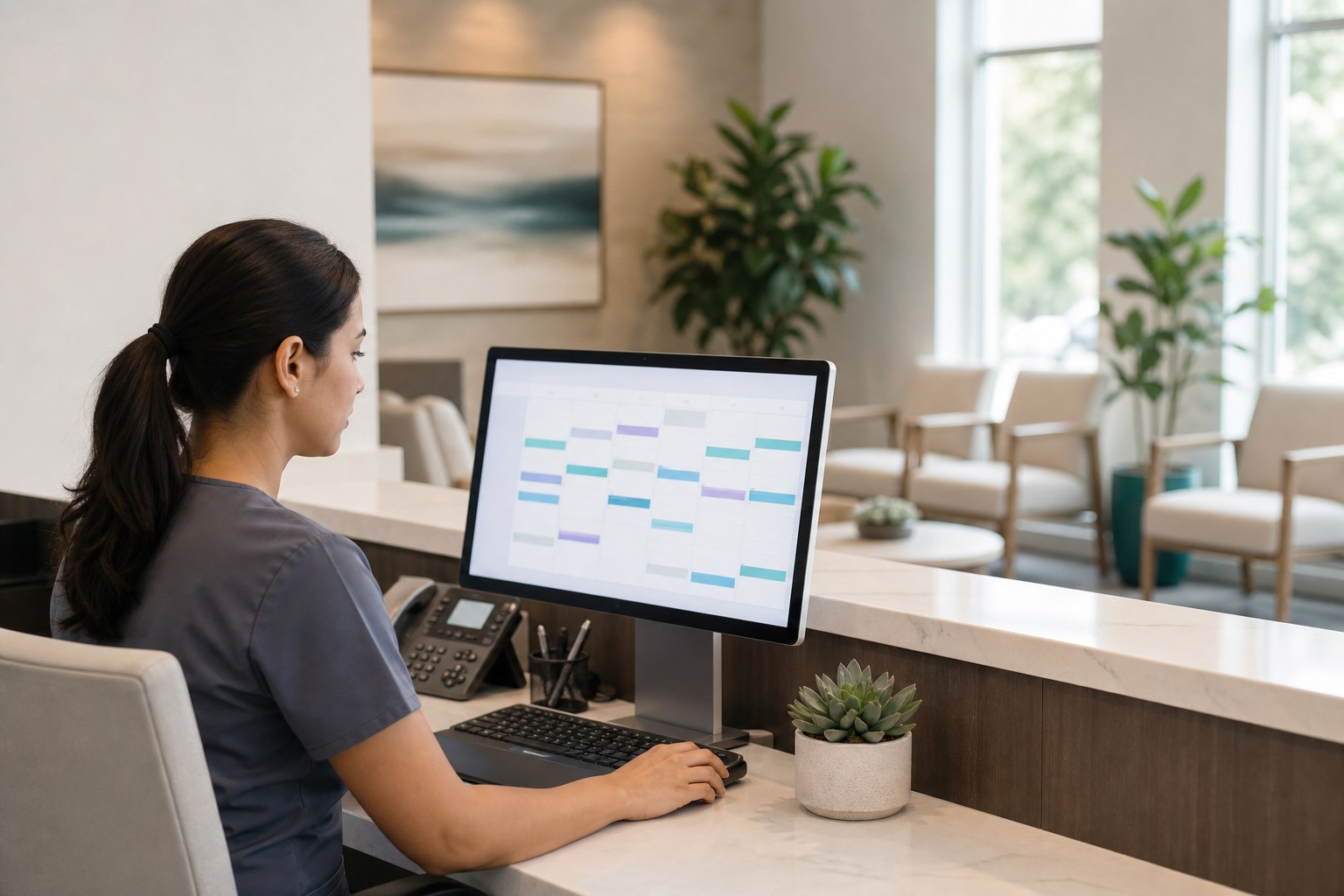
Digital workflows centralise patient intake, reduce administrative friction, and make it easier to coordinate across multiple clinicians or clinic locations. Teledermatology, from this angle, is as much an operational strategy as it is a clinical service.
Where the Limitations Are
Teledermatology isn't a universal solution, and it's worth being honest about where it falls short.
Image quality matters. A blurry, poorly lit photo can make a remote assessment unreliable or even misleading. Clinics need clear guidance for patients on how to capture useful images.
Not everything can be managed remotely. Conditions requiring palpation, dermoscopy in real time, or procedural intervention need in-person visits. Good triage protocols — knowing when to escalate — are essential.
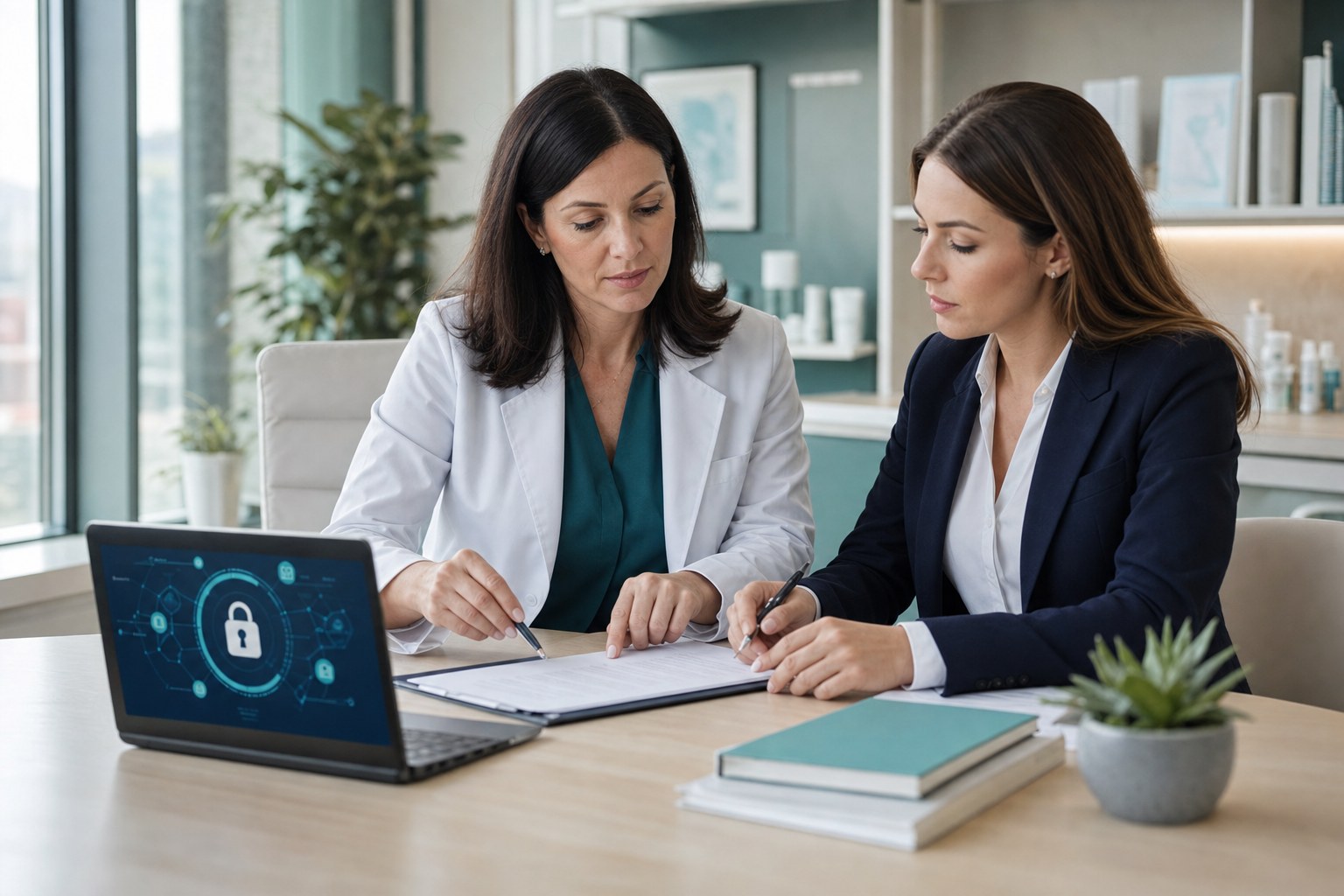
Data protection is non-negotiable. Patient images and medical records require secure handling that meets regulatory standards. Consumer-grade messaging apps don't cut it.
Integration takes planning. Teledermatology works best when it's woven into a clinic's existing workflows, not layered on top as an afterthought. That means choosing the right platform, training the team, and setting clear expectations with patients.
Teledermatology vs In-Person Care: Not Either/Or
It's tempting to frame this as a competition. It isn't.
| Teledermatology | In-Person | |
|---|---|---|
| Accessibility | High — geography is less of a barrier | Limited by clinic location |
| Scheduling | Flexible, often asynchronous | Fixed appointment slots |
| Physical examination | Limited to visual assessment | Full clinical examination |
| Procedures | Not possible | Available as needed |
| Scalability | High — fewer infrastructure constraints | Resource-dependent |
The clinics getting this right don't choose one over the other. They integrate both, routing patients to the appropriate channel based on what the clinical situation actually demands.
What a Professional Teledermatology Platform Looks Like
Running online consultations through email threads and file-sharing links might technically work — but it's far from professional, and it creates compliance headaches.
Purpose-built platforms handle the things that matter: secure patient onboarding, image management optimised for dermatological use, structured documentation templates, integrated messaging, and audit-ready medical records. They're designed to let clinics deliver remote care at a professional standard, at scale.
Where Teledermatology Is Heading
The field is moving quickly. Digital dermatology workflows are becoming more standardised. Integration with national health systems is improving. Image management is getting smarter, with AI-assisted tools helping clinicians prioritise and triage more effectively.
Patient expectations are shifting too. More people expect to interact with healthcare digitally — and clinics that can offer that experience professionally are better positioned for what's ahead.
Teledermatology isn't an add-on anymore. For a growing number of practices, it's becoming foundational.
Getting Started
Teledermatology is a clinically validated, operationally sound approach to delivering dermatologic care in a digital-first environment. With the right platform and workflows in place, it improves access, sharpens efficiency, and supports sustainable growth.
Clinics ready to run online consultations professionally can explore platforms like iDerma — built to manage patient intake, clinical images, documentation, and secure communication in one place.